TRIC Selected to Lead the Korea Heritage Service's Silla Royal Capital Digital Reconstruction Project
Published
June 15, 2026
Digitally reconstructing Silla’s key heritage sites through deep historical research and transforming them into mega cultural experiences
An integrated initiative to deepen both academic understanding and public engagement with the Silla Royal Capital
An integrated initiative to deepen both academic understanding and public engagement with the Silla Royal Capital
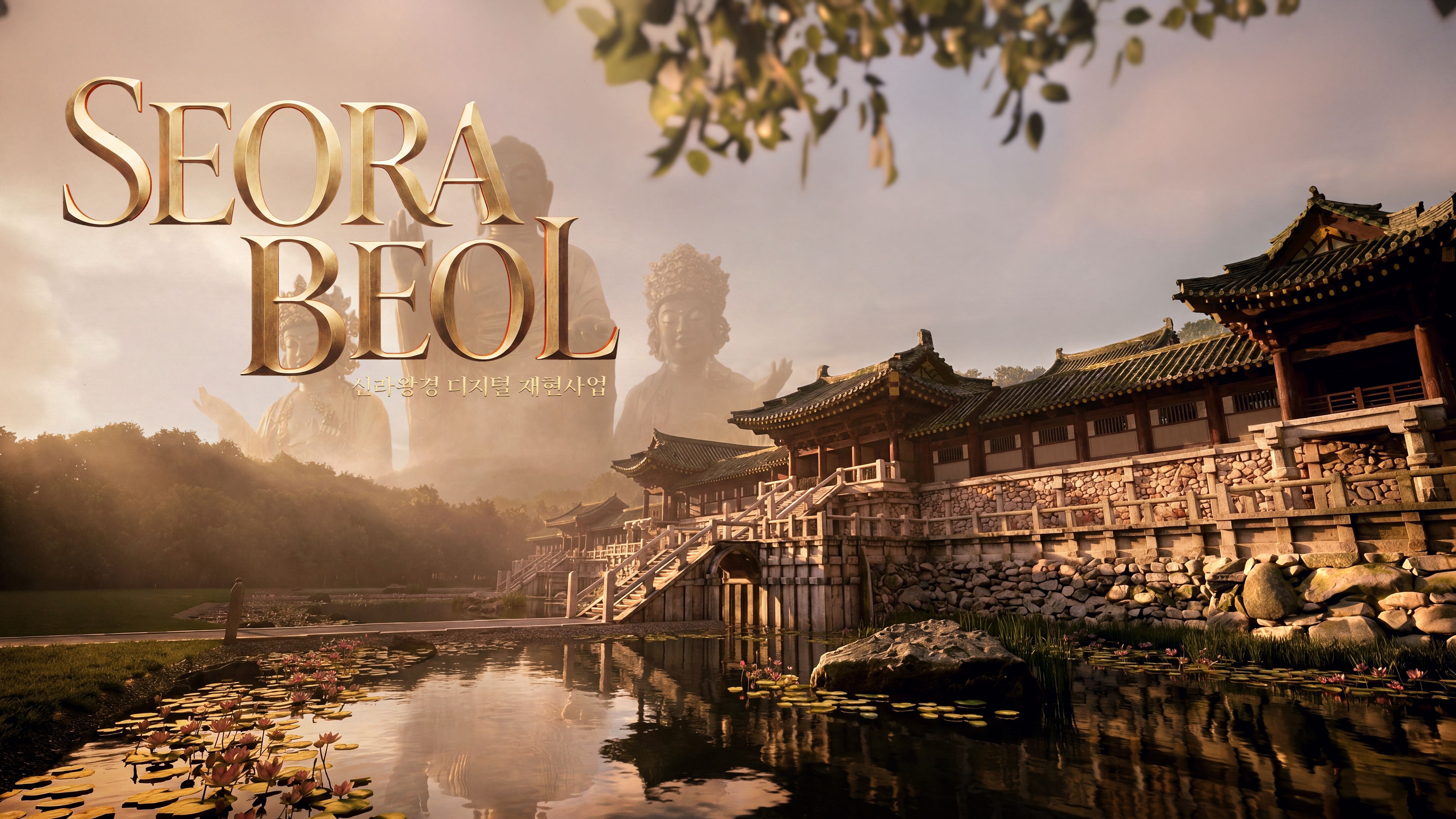
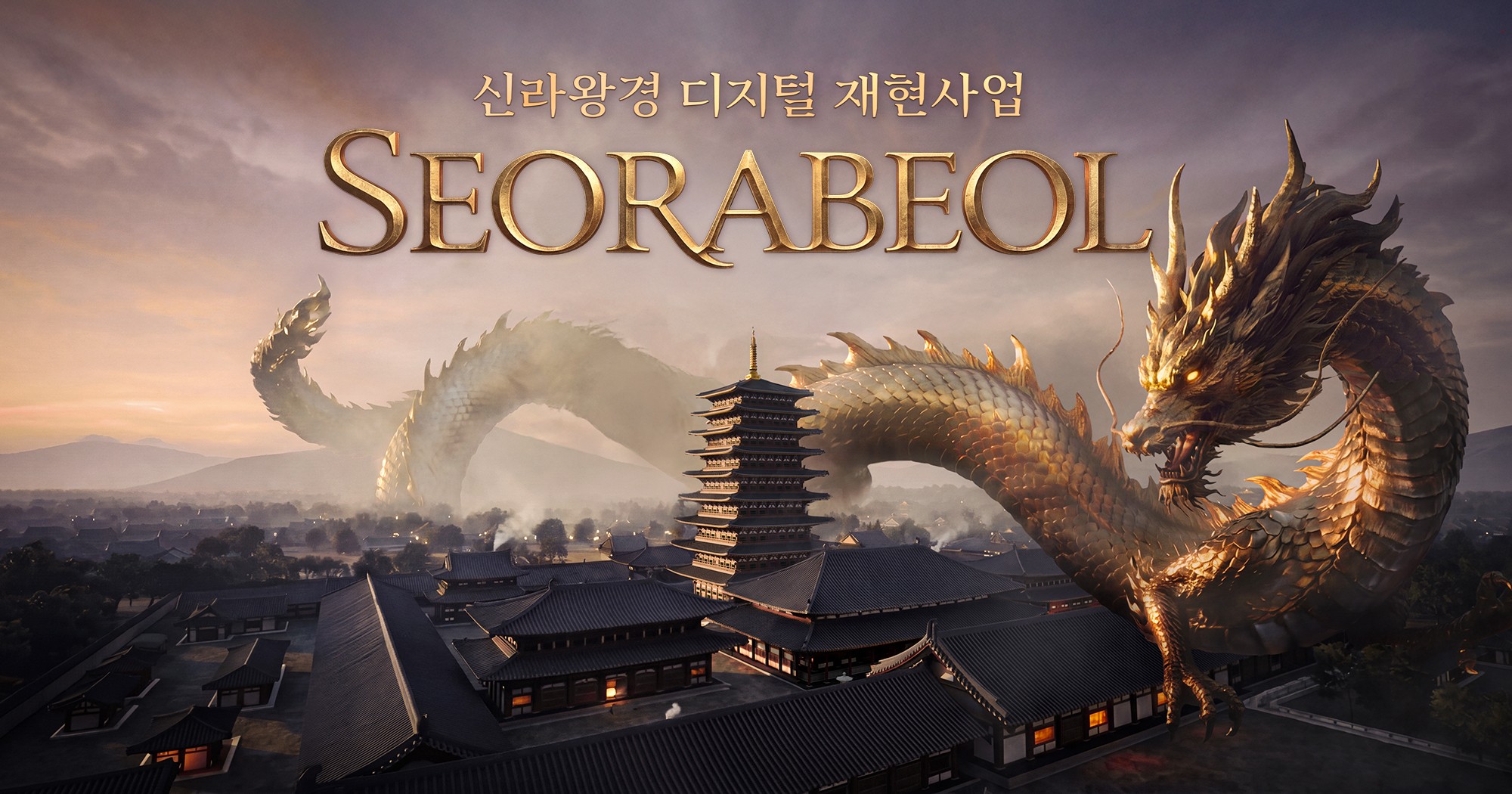
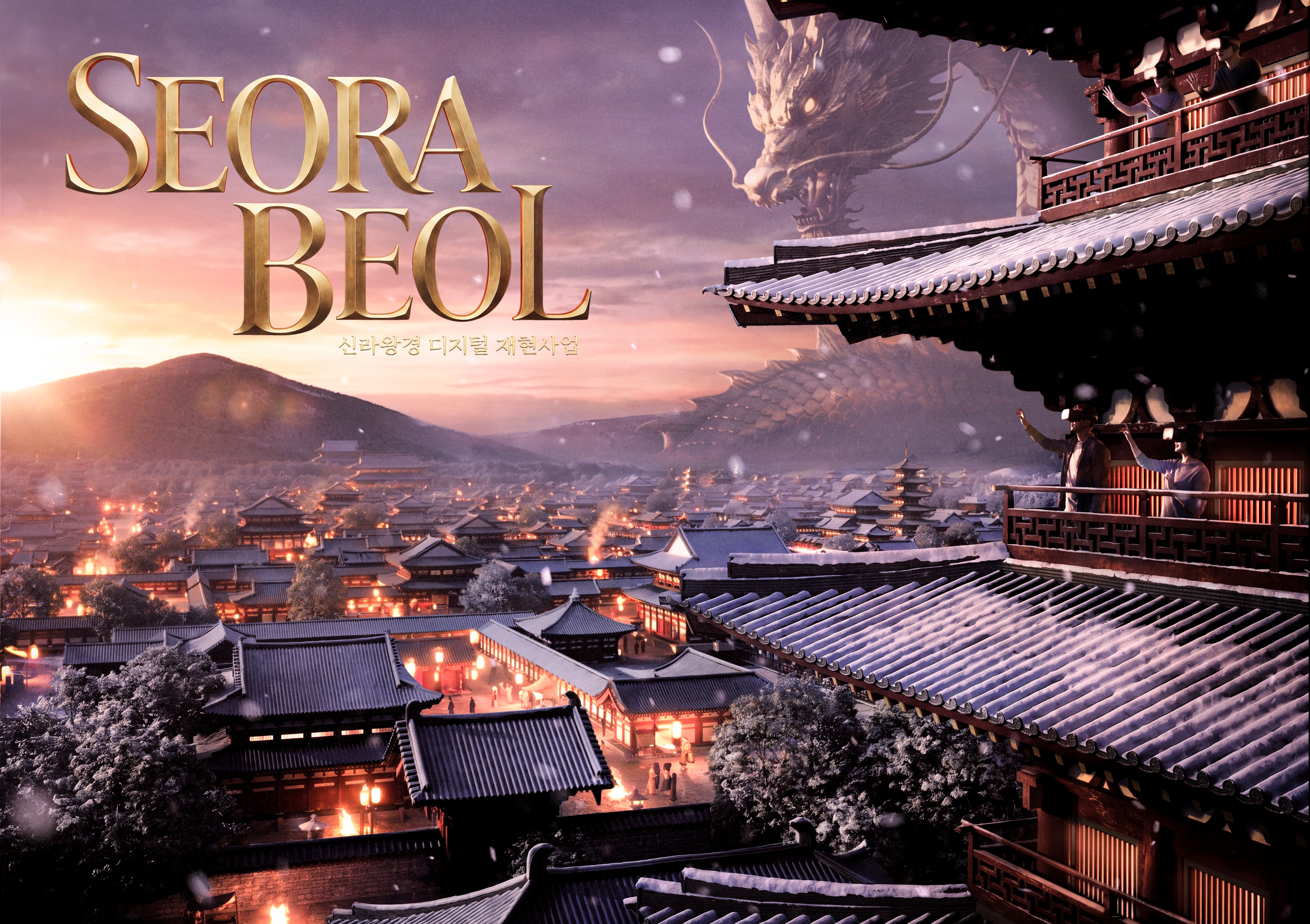
TRIC has been awarded the KRW 8.6 billion Digital Reconstruction of the Silla Royal Capital project commissioned by the Korea Heritage Service and will serve as the lead contractor overseeing the initiative in its entirety. The Digital Reconstruction of the Silla Royal Capital project is a national heritage initiative that aims to build historically grounded digital datasets of Silla’s major heritage sites and historical spaces, and transform them into a wide range of content experiences that allow the public to engage with them more vividly. The project focuses on reconstructing Sorabol, the ancient capital of Silla, as a spatially immersive urban environment while establishing digital assets that can support future applications in exhibition, education, tourism, and creative industries. As part of the project, TRIC will integrate archaeological survey records, 3D scan data, and academic research outcomes to digitally reconstruct the spatial structure and urban system of the Silla Royal Capital. Through this approach, the project seeks to move beyond fragmented, site-by-site interpretation and instead present Silla’s historical landscape within the broader context of an interconnected city—revealing Sorabol as a dynamic urban environment shaped by diverse communities and cultures. To enable direct public engagement, the project will also develop immersive spatial experiences that allow visitors to walk through and explore the reconstructed city of Sorabol. Scheduled to open in Gyeongju this November, the experience will provide visitors with an intuitive understanding of the capital’s urban structure, everyday life, and cultural diversity through digitally recreated environments. Unlike physical restoration, digital reconstruction reduces material constraints while allowing continuous revision and refinement as new research emerges. Leveraging this reversibility and scalability, TRIC aims to advance both scholarly understanding and public accessibility of the Silla Royal Capital. In addition, the project will establish content structures and data frameworks that enable the reconstructed datasets to be widely utilized across exhibitions, education, tourism, and cultural content production. Another important objective is to provide reliable reference data for generative AI applications—reducing the tendency to blend architectural, costume, and landscape elements from China and Japan when depicting ancient Korea, and improving the historical accuracy of AI-generated visualizations of the Silla Royal Capital. By successfully delivering this project, TRIC aims to build on the experience and technical capabilities developed through this initiative to create physical, experience-based digital history tourism models for historical and cultural cities in Korea and abroad—expanding intangible cultural resources into sustainable private-sector opportunities.
TRIC has been awarded the KRW 8.6 billion Digital Reconstruction of the Silla Royal Capital project commissioned by the Korea Heritage Service and will serve as the lead contractor overseeing the initiative in its entirety. The Digital Reconstruction of the Silla Royal Capital project is a national heritage initiative that aims to build historically grounded digital datasets of Silla’s major heritage sites and historical spaces, and transform them into a wide range of content experiences that allow the public to engage with them more vividly. The project focuses on reconstructing Sorabol, the ancient capital of Silla, as a spatially immersive urban environment while establishing digital assets that can support future applications in exhibition, education, tourism, and creative industries. As part of the project, TRIC will integrate archaeological survey records, 3D scan data, and academic research outcomes to digitally reconstruct the spatial structure and urban system of the Silla Royal Capital. Through this approach, the project seeks to move beyond fragmented, site-by-site interpretation and instead present Silla’s historical landscape within the broader context of an interconnected city—revealing Sorabol as a dynamic urban environment shaped by diverse communities and cultures. To enable direct public engagement, the project will also develop immersive spatial experiences that allow visitors to walk through and explore the reconstructed city of Sorabol. Scheduled to open in Gyeongju this November, the experience will provide visitors with an intuitive understanding of the capital’s urban structure, everyday life, and cultural diversity through digitally recreated environments. Unlike physical restoration, digital reconstruction reduces material constraints while allowing continuous revision and refinement as new research emerges. Leveraging this reversibility and scalability, TRIC aims to advance both scholarly understanding and public accessibility of the Silla Royal Capital. In addition, the project will establish content structures and data frameworks that enable the reconstructed datasets to be widely utilized across exhibitions, education, tourism, and cultural content production. Another important objective is to provide reliable reference data for generative AI applications—reducing the tendency to blend architectural, costume, and landscape elements from China and Japan when depicting ancient Korea, and improving the historical accuracy of AI-generated visualizations of the Silla Royal Capital. By successfully delivering this project, TRIC aims to build on the experience and technical capabilities developed through this initiative to create physical, experience-based digital history tourism models for historical and cultural cities in Korea and abroad—expanding intangible cultural resources into sustainable private-sector opportunities.


share this news
We preserve heritage, and share its worth with the world.
We preserve heritage, and share its worth with the world.
We preserve heritage, and share its worth with the world.
Previous

August 21, 2026
문화유산기술연구소(TRIC) 김지교 대표, 언리얼 페스트 서울 2026 세션 발표
문화유산기술연구소(TRIC) 김지교 대표, 언리얼 페스트 서울 2026 세션 발표
문화유산기술연구소(TRIC) 김지교 대표, 언리얼 페스트 서울 2026 세션 발표
Next