TRIC Participates in the Special Exhibition <Conservation Science Inheriting Time>
Published
December 2, 2025
Special Exhibition Celebrating the 20th Anniversary of the National Palace Museum of Korea
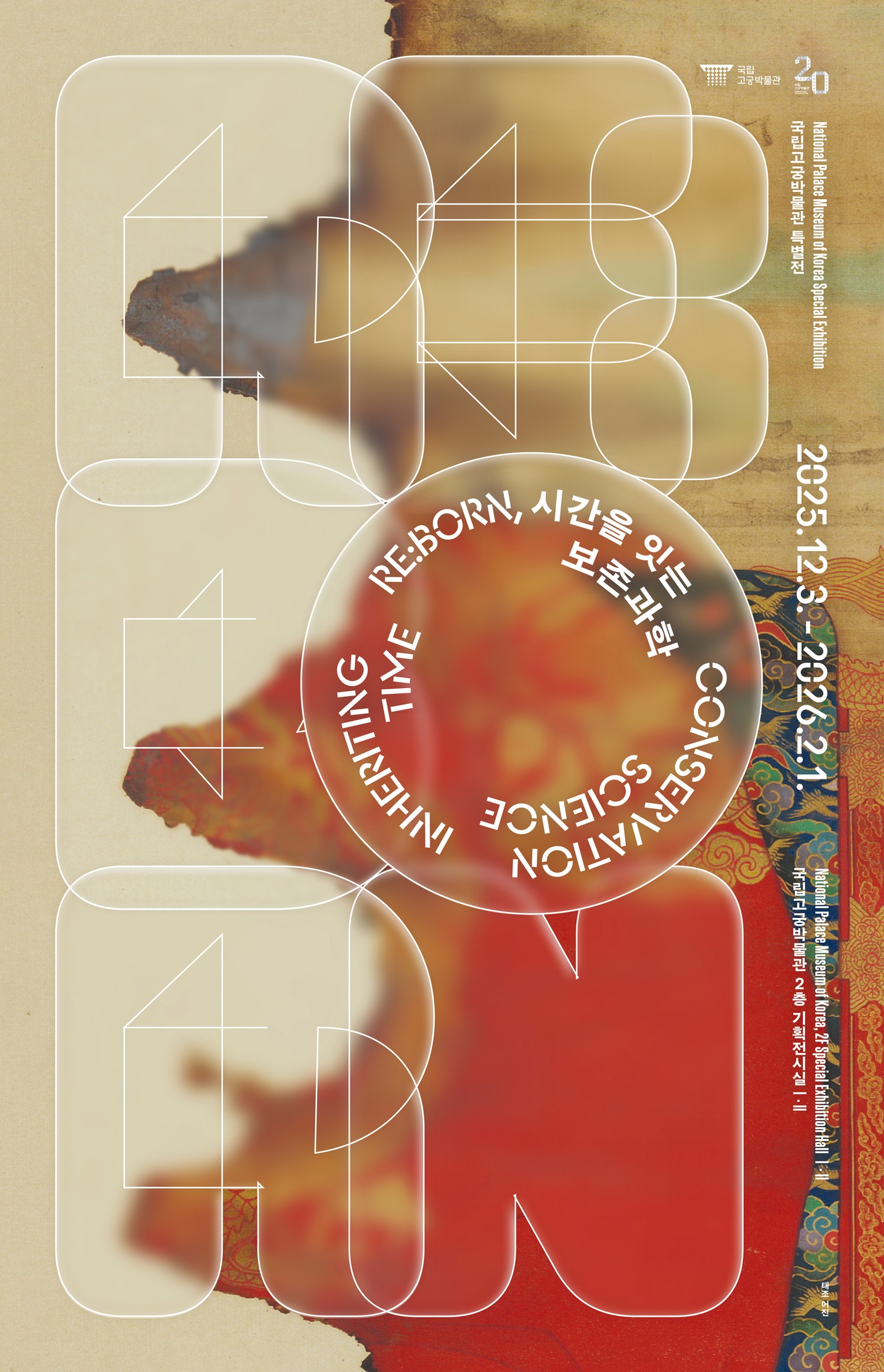
The special exhibition RE:BORN, Conservation Science Inheriting Time, commemorating the 20th anniversary of the National Palace Museum of Korea and produced with exhibition direction and production participation by TRIC, will be held from December 3, 2025 to February 1, 2026. The exhibition showcases two decades of achievements in conservation science and reinterprets the process and stages of artifact restoration through a contemporary exhibition format. It also features TRIC’s Digital Restoration Project of the Portrait of King Taejo, originally carried out in 2015.
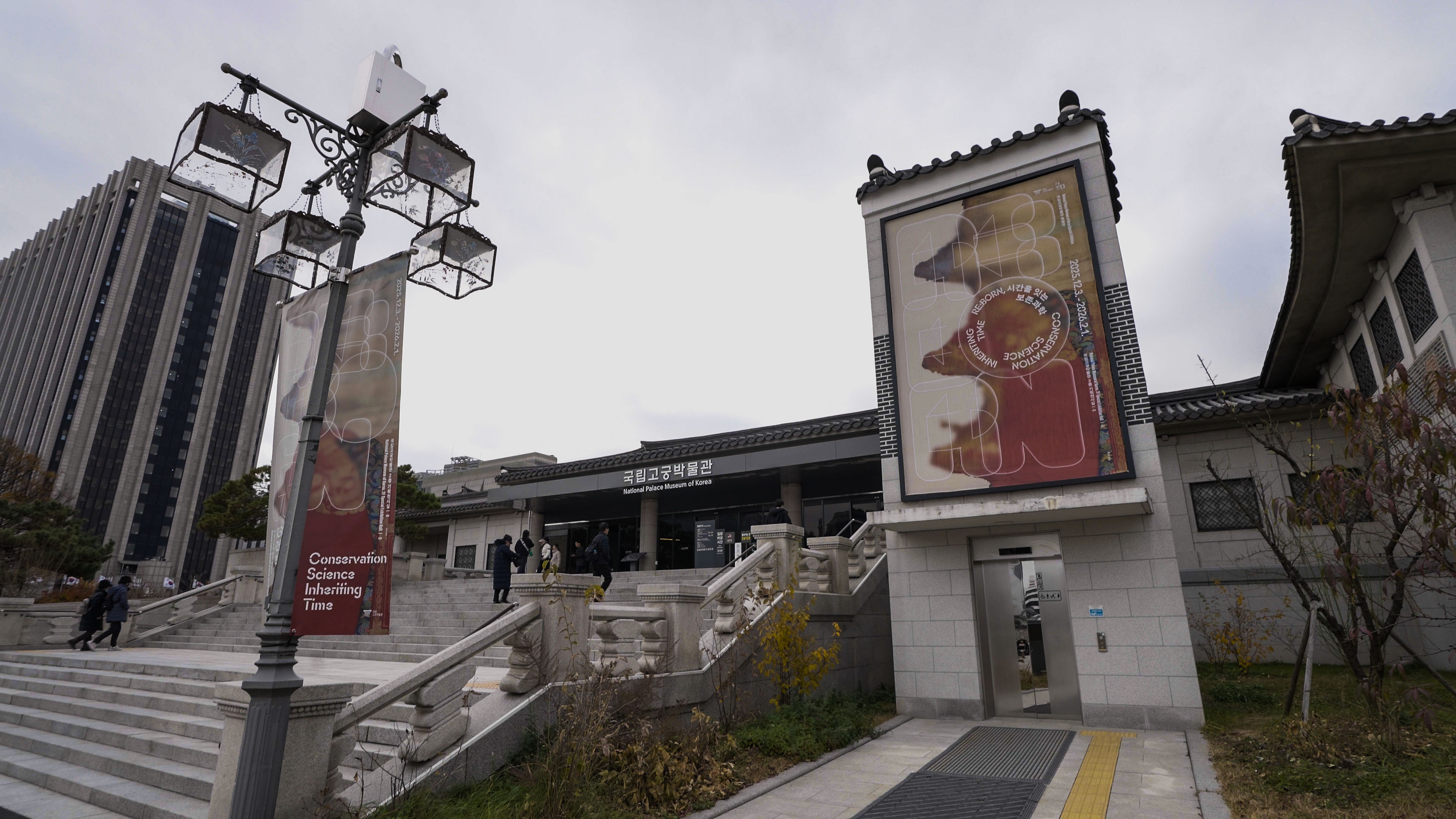
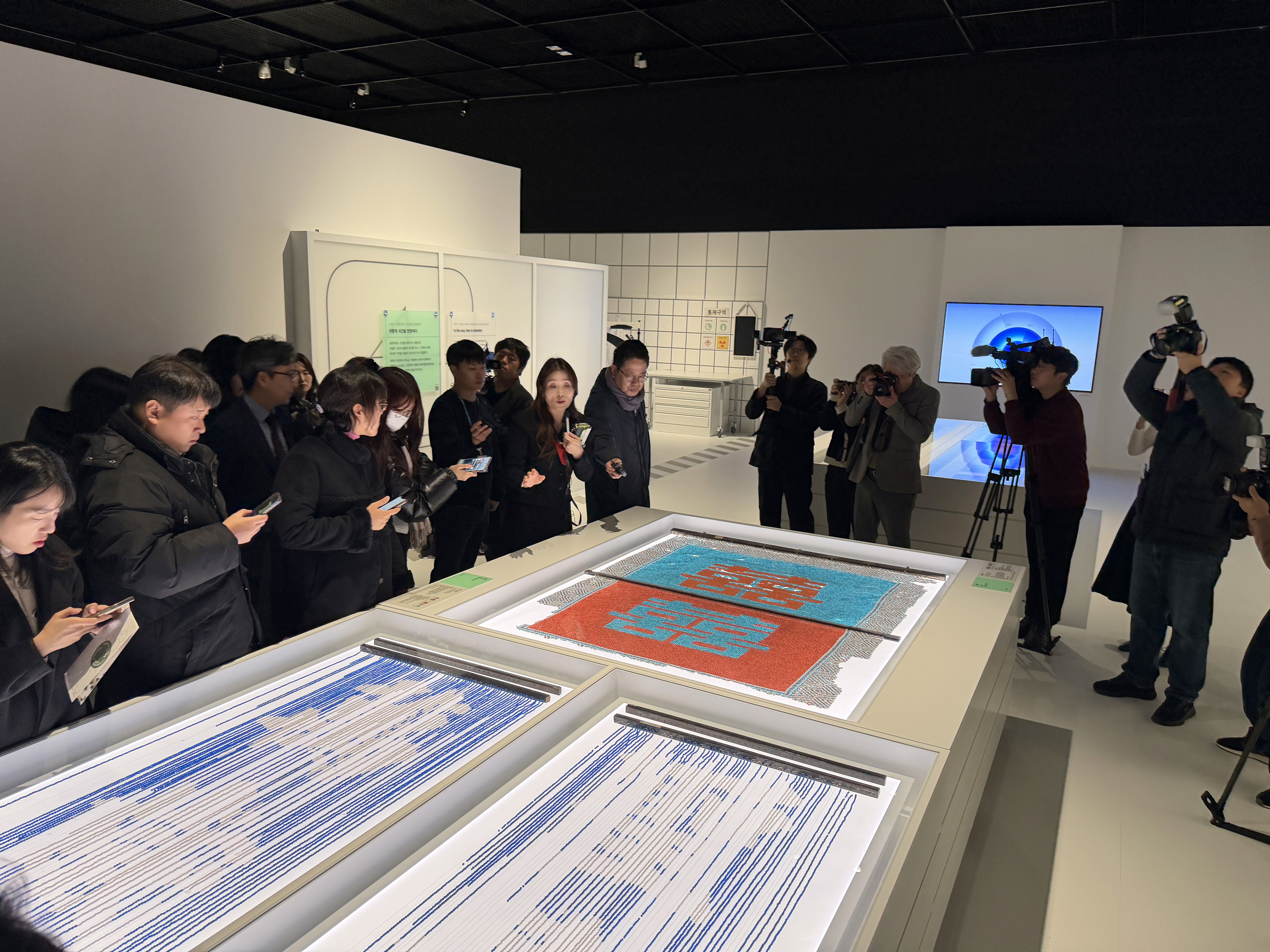
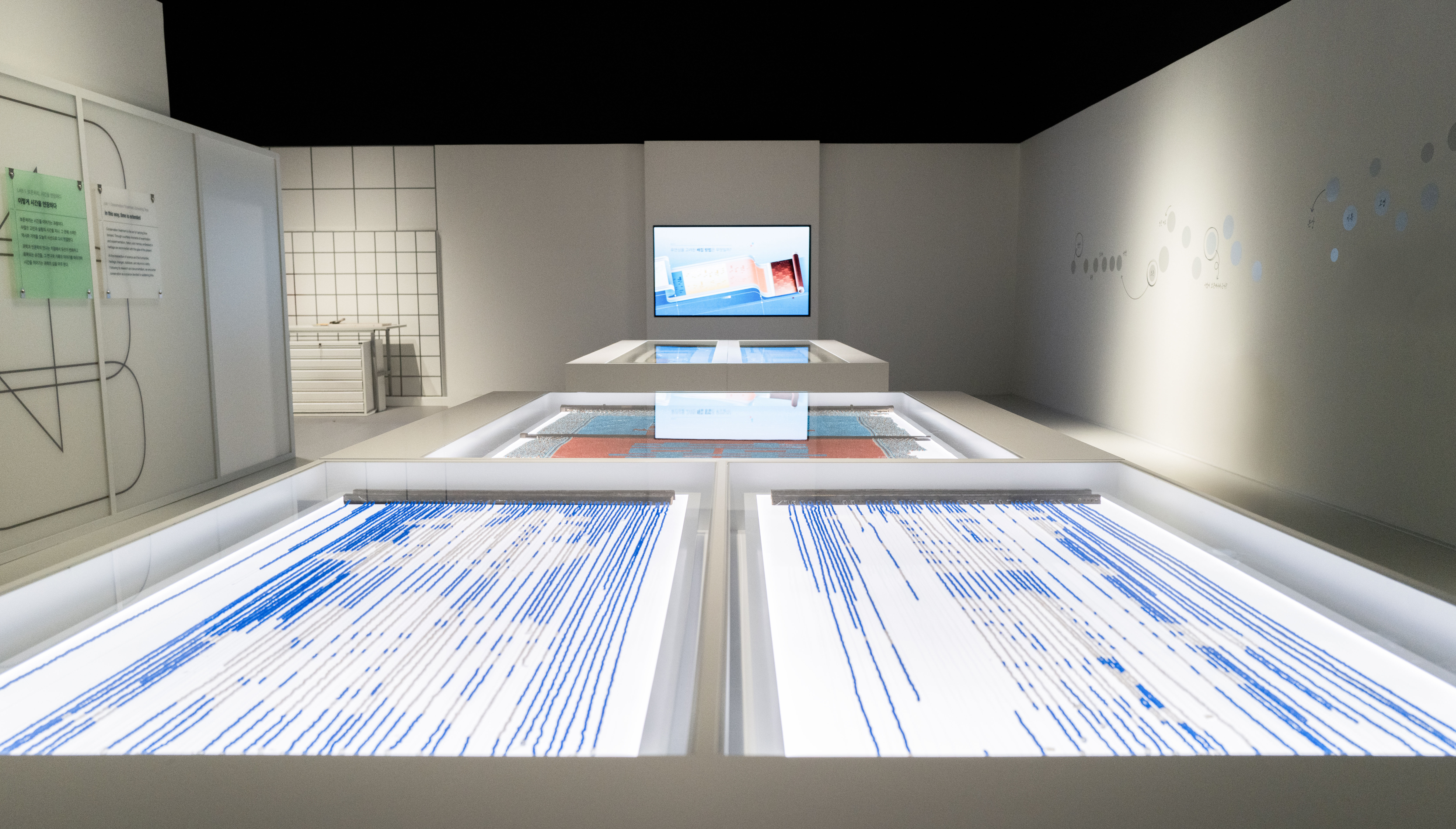
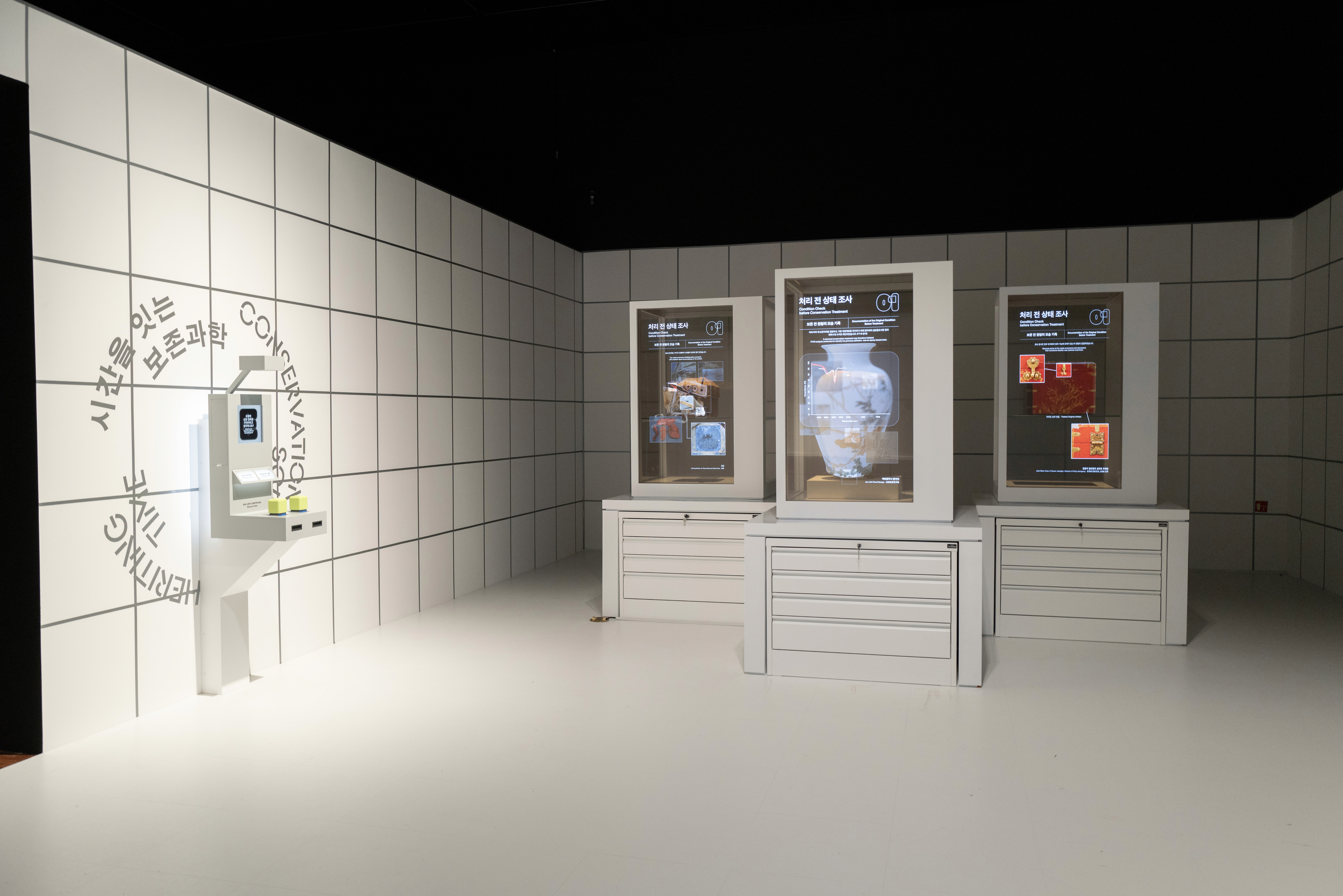
The special exhibition RE:BORN, Conservation Science Inheriting Time, commemorating the 20th anniversary of the National Palace Museum of Korea, will be held from December 3, 2025 to February 1, 2026. The exhibition presents a comprehensive overview of the museum’s achievements in conservation science over the past two decades and reinterprets, through a contemporary exhibition language, the process of diagnosing, documenting, and restoring damaged cultural artifacts.
The exhibition was planned and realized through collaboration between the Conservation Science Division of the National Palace Museum of Korea, TRIC, Saeroumi, and Rebel9 across exhibition direction, production, and installation. Spatially weaving together the trajectory of research dedicated to preserving and restoring the temporal layers of royal and imperial heritage, the exhibition presents both scientific and aesthetic approaches to understanding how the “time embedded in artifacts” can be read, interpreted, and carried forward into the future.
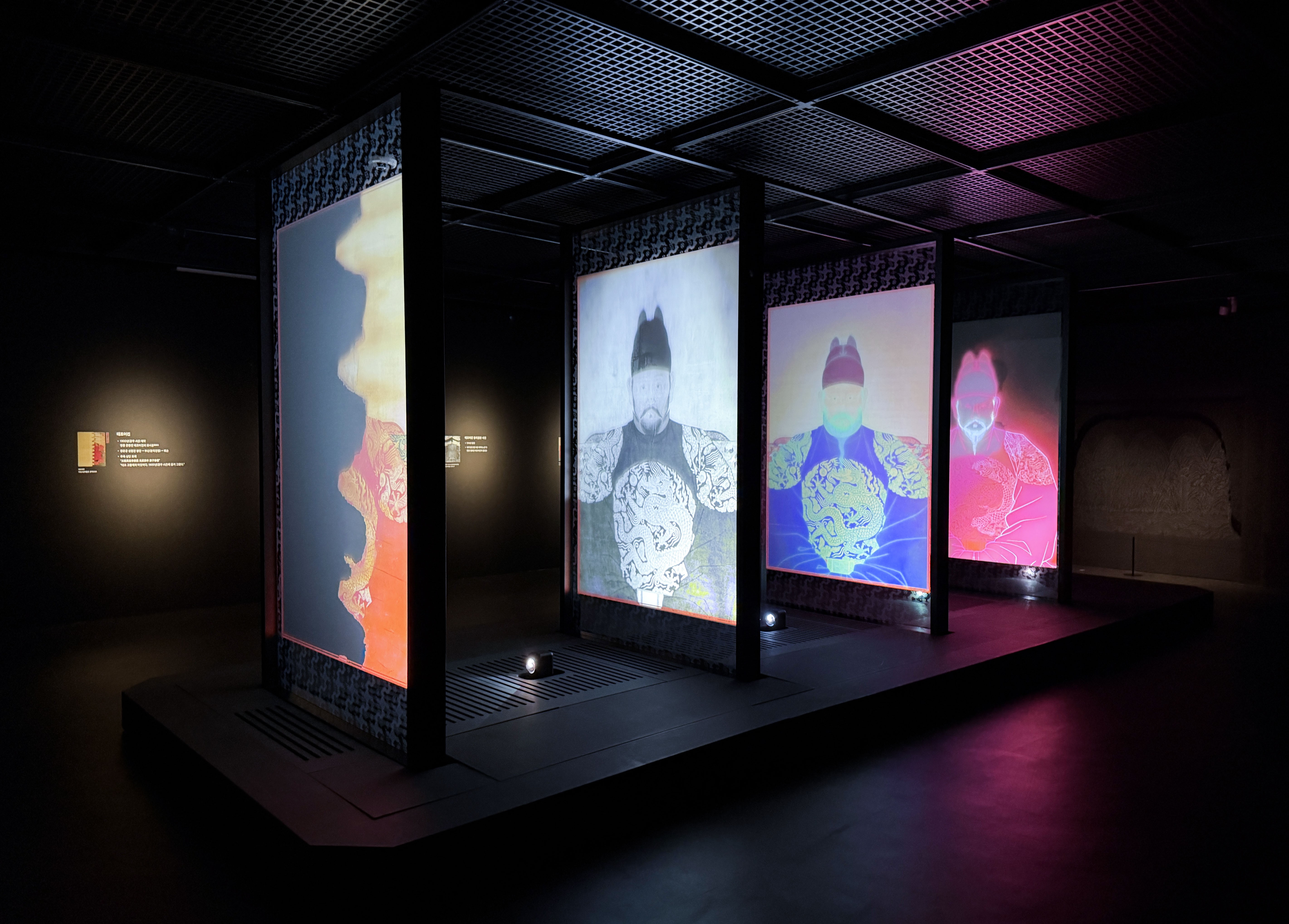
As part of this special exhibition, TRIC’s Digital Restoration Project of the Portrait of King Taejo, originally carried out in 2015, will be unveiled to the public for the first time in the form of an installation work.
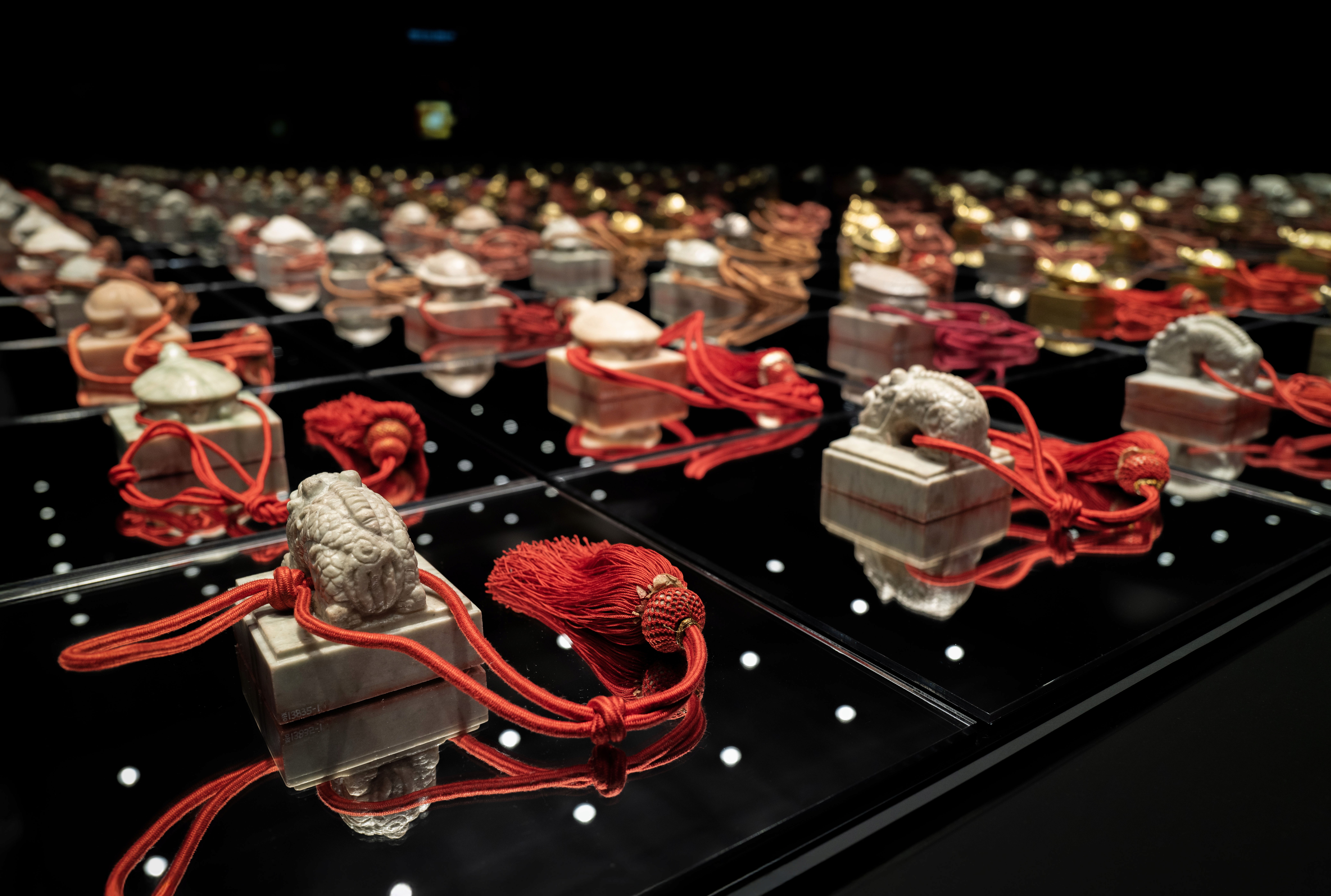
Drawing upon multiple sources—including the surviving fragment of the Gyeongbokgung Palace version of the portrait damaged during the Korean War, glass plate negatives, archival materials from the Junwonjeon and Gyeonggijeon versions, and the final digital restoration—the process of reconstructing the original image is presented through a layered installation structure. Through this experience, visitors can visually explore how conservation science interprets and revives cultural heritage.
Each layer gradually emerges from darkness, allowing visitors to trace for themselves the evidence, methodology, and reasoning that underpin the restoration process.
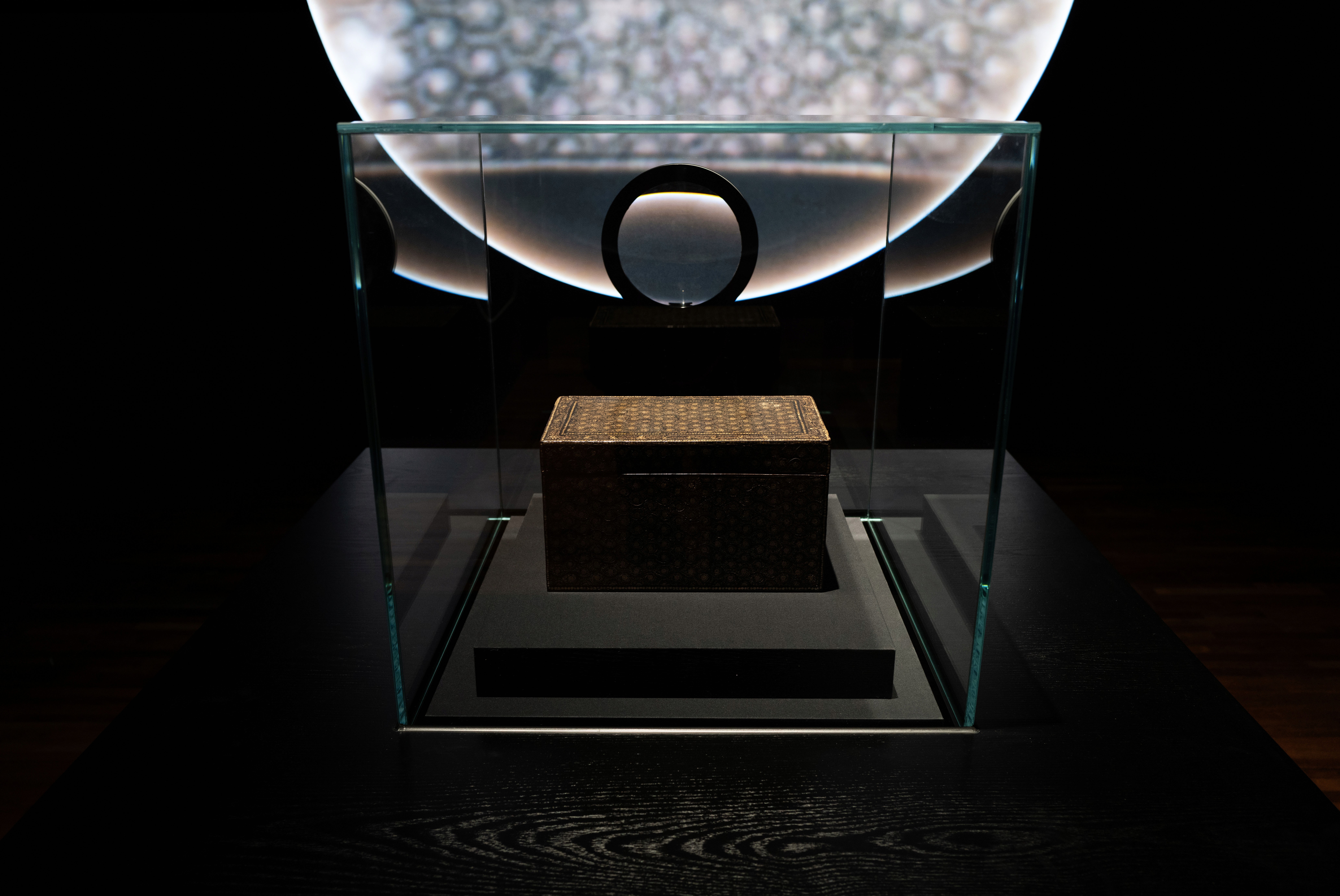
The exhibition expands the role of conservation science beyond simply preserving heritage, presenting it instead as a creative practice that carries the time of heritage into the future. Bringing together the National Palace Museum of Korea’s accumulated research infrastructure and technological achievements over the past twenty years, the project offers a rare opportunity to systematically explore interdisciplinary outcomes across digital technologies, material analysis, and conservation treatment.
TRIC will continue expanding projects that contribute to the preservation, restoration, and reinterpretation of national heritage through digital heritage technologies.
The exhibition will remain on view at the National Palace Museum of Korea through February 1, 2026.